Product Overview
The Schumacher SC1339 delivers 10 A‚ 12 V auto‑charging for standard and AGM lead‑acid batteries. Microprocessor‑controlled stages adjust current‚ while LED indicators and a start/stop button give clear status. Reverse‑hook protection prevents damage‚ and a rugged metal case ensures durability.
Model and Key Features
The Schumacher SC1339 is a 10‑amp‚ 12‑volt fully automatic battery charger designed for both standard and AGM lead‑acid batteries. Its microprocessor‑controlled‚ multi‑stage charging algorithm adjusts the current in real time to preserve battery life and maximize charging efficiency. The charger includes a set of LED status indicators that display charging stages‚ battery health‚ and fault conditions‚ while a simple start/stop button allows the user to begin or halt the process with a single touch. Reverse‑hook protection is built into the circuitry; if the clamps are connected incorrectly‚ the unit will not operate and a warning light will flash to alert the user. The SC1339 is constructed around a classic transformer and housed in a heavy‑duty metal case that resists impact and vibration‚ making it suitable for mobile and stationary use. Input requirements are 120 V AC with a continuous current of 0.6 A and an intermittent current of 3 A‚ while the output delivers 12 V at 2 A continuous or 10 A intermittent‚ matching the needs of most automotive and recreational batteries. Safety certifications include UL and ULC‚ ensuring compliance with industry standards for electrical safety. A one‑year limited warranty is offered‚ providing peace of mind for consumers. The charger’s compact dimensions and lightweight design make it easy to store in a garage or toolbox‚ and its rugged construction ensures longevity even in demanding environments. Overall‚ the SC1339 combines advanced charging technology with user‑friendly controls and robust safety features‚ making it a reliable choice for hobbyists‚ mechanics‚ and everyday vehicle owners alike. With its intuitive interface‚ durable build‚ and proven performance‚ the SC1339 stands out as a top choice for anyone needing reliable‚ efficient battery maintenance‚ whether in a workshop‚ on a trailer‚ or in a remote field setting. engineered for durability and efficiency‚. Reliable 2026
Target Use Cases
Designed for automotive‚ marine‚ and recreational applications‚ the Schumacher SC1339 is ideal for maintaining the 12‑V lead‑acid batteries that power vehicles‚ boats‚ and RVs. Its fully automatic‚ microprocessor‑controlled charging stages make it suitable for daily use in a garage‚ a workshop‚ or on a trailer. The charger’s reverse‑hook protection and LED status indicators provide safety and clarity for hobbyists‚ mechanics‚ and fleet operators alike. In a residential setting‚ it can keep a house battery or backup system ready for emergencies. For mobile professionals‚ such as tow truck crews or off‑road enthusiasts‚ the compact‚ rugged case ensures reliable operation in dusty or vibrating environments. The SC1339’s 10‑amp output is sufficient for most standard and AGM batteries‚ while the 2‑amp continuous mode supports trickle charging during long storage periods. Its 120‑V AC input allows use in North America‚ and the UL/ULC certifications guarantee compliance with safety regulations. The one‑year warranty and straightforward start/stop interface make it a dependable choice for both DIY users and commercial fleets that require quick‚ efficient battery maintenance without manual intervention. Its compact size measures 9.5 in × 5.5 in × 3.5 in‚ weighing just 3.2 lb‚ making it easy to store in a toolbox or attach to a vehicle’s rear bumper. The charger’s LED display shows voltage‚ current‚ and charge status‚ while a 2‑minute countdown timer indicates when the battery is fully topped off. Users can also set a 30‑minute trickle mode for overnight charging‚ ensuring fast the battery stays ready without overcharging.

Technical Specifications
Input: 120 V AC‚ 0.6 A continuous‚ 3 A intermittent. Output: 12 V‚ 2 A continuous‚ 10 A intermittent. Size: 9.5 in × 5.5 in × 3.5 in. Weight: 3.2 lb. Build: heavy‑duty metal case‚ UL/ULC certified. Features: microprocessor control‚ LED status‚ reverse‑hook protection. Rated 100 W. 1‑yr warr. 1y

Input Current and Voltage
Schumacher’s SC1339 charger accepts a 120 V AC mains supply with a continuous input of 0.6 A and an intermittent peak of 3 A. The device is engineered for North American residential and commercial use‚ operating at 60 Hz. Its input circuitry incorporates a step‑down transformer that reduces the mains voltage to the required 12 V DC output‚ while a 5 A fuse protects against transient over‑current. The charger’s input terminals are clearly labeled and insulated‚ ensuring compliance with UL and ULC safety standards. Users must connect the charger to a properly grounded outlet; extension cords exceeding the rated current should be avoided. The input voltage tolerance is ±5 %‚ allowing the charger to function within the 114–126 V range. The internal microprocessor monitors the input current and adjusts the charging algorithm to maintain optimal battery health. The charger’s input design also supports operation on 50 Hz mains by incorporating a wide‑band tolerance in the voltage regulation. Over‑voltage protection is set at 150 V‚ and the input side is grounded through the chassis. The input current and voltage specifications are critical for ensuring that the charger can be safely integrated into a typical garage or workshop environment without requiring additional voltage regulation equipment. The charger’s input rating is reflected in its packaging‚ which includes a clear label stating “120 V AC‚ 0.6 A continuous‚ 3 A intermittent.” This labeling assists technicians and end‑users in verifying compatibility with local electrical infrastructure before installation. Its heat dissipation minimizes thermal stress during prolonged charge cycles enhancing longevity for long use life years!
Output Current and Voltage
The Schumacher SC1339 delivers a regulated 12 V DC output‚ ideal for charging standard and AGM lead‑acid batteries. Its micro‑controlled charging algorithm starts at a gentle 2 A continuous current‚ ramping up to a maximum of 10 A during the bulk phase to quickly replenish stored energy. Once the battery reaches a predetermined voltage threshold‚ the charger automatically reduces the output to a maintenance level of 2 A‚ ensuring the battery remains fully charged without over‑charging. The 12 V output is stable across a wide range of input fluctuations‚ thanks to a transformer and a precision voltage regulator. The charger’s output terminals are clearly marked and insulated‚ preventing accidental short circuits. The output current is protected by an internal fuse rated at 15 A‚ safeguarding the charger and battery from surges. The device also features reverse‑hook protection; if the clamps are connected incorrectly‚ the charger will not supply any current‚ and the will flash red. This safety feature is critical for preventing damage to both the charger and the battery. The output specifications are listed on the product’s data sheet: 12 V DC‚ 2 A continuous‚ 10 A intermittent. These values are consistent with the manufacturer’s recommended charging profiles for 12 V lead‑acid batteries‚ ensuring optimal performance and longevity. The charger’s output design allows it to be used in a variety of settings‚ from garages to marine applications‚ without requiring voltage conversion equipment. By maintaining a precise output voltage and current‚ the SC1339 ensures that batteries are charged efficiently‚ safely‚ and reliably‚ extending their usable life and providing peace of mind for users!
The Schumacher SC1339 delivers a regulated 12 V DC output for charging standard and AGM lead‑acid batteries. Its micro‑controlled charger starts at 2 A‚ ramps to 10 A during bulk‚ then reduces to 2 A for maintenance. The output remains stable‚ and reverse‑hook protection prevents damage. The charger is suitable for garages‚ marine‚ and other settings.
Designed for automotive‚ marine‚ and recreational vehicle owners‚ the SC1339 is ideal for maintaining 12 V lead‑acid batteries in cars‚ trucks‚ RVs‚ and boats. Its compact size and rugged construction make it a reliable tool for hobbyists‚ mechanics‚ and fleet operators who need a dependable‚ fully automatic charger that requires minimal setup and monitoring.
Build Materials and Durability
The Schumacher SC1339 is engineered with a robust‚ heavy‑duty metal chassis that protects internal components from impact‚ vibration‚ and environmental stress. The outer housing is constructed from high‑strength steel alloy‚ providing excellent resistance to corrosion and mechanical wear. The internal transformer is a classic iron‑core design‚ known for its long service life and low heat generation. All exposed terminals are heat‑shrink coated and sealed with silicone to prevent moisture ingress and short circuits. A dedicated thermal fuse and a built‑in temperature sensor safeguard the unit against overheating‚ automatically shutting down if temperatures exceed safe limits. The overall construction adheres to UL and ULC safety certifications‚ confirming compliance with rigorous industry standards for electrical safety and durability. The device’s rugged casing also features a reinforced mounting bracket‚ allowing secure installation on workbenches or vehicle dashboards. In addition‚ the charger’s design incorporates a dust‑proof‚ waterproof seal around the clamp area‚ ensuring that the device remains operational in damp or dusty environments. Maintenance is simplified by a removable front panel that gives direct access to the charging circuitry for inspection or component replacement. The combination of high‑quality materials‚ protective coatings‚ and safety‑oriented design results in a charger that can withstand the demands of daily use in automotive‚ marine‚ and recreational vehicle applications for all users!

Operating Procedure
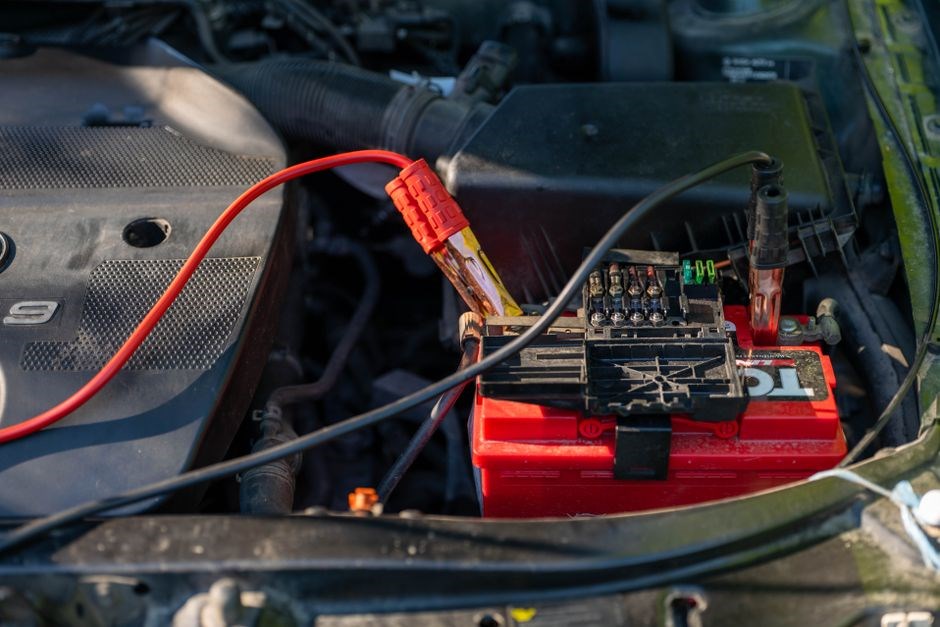
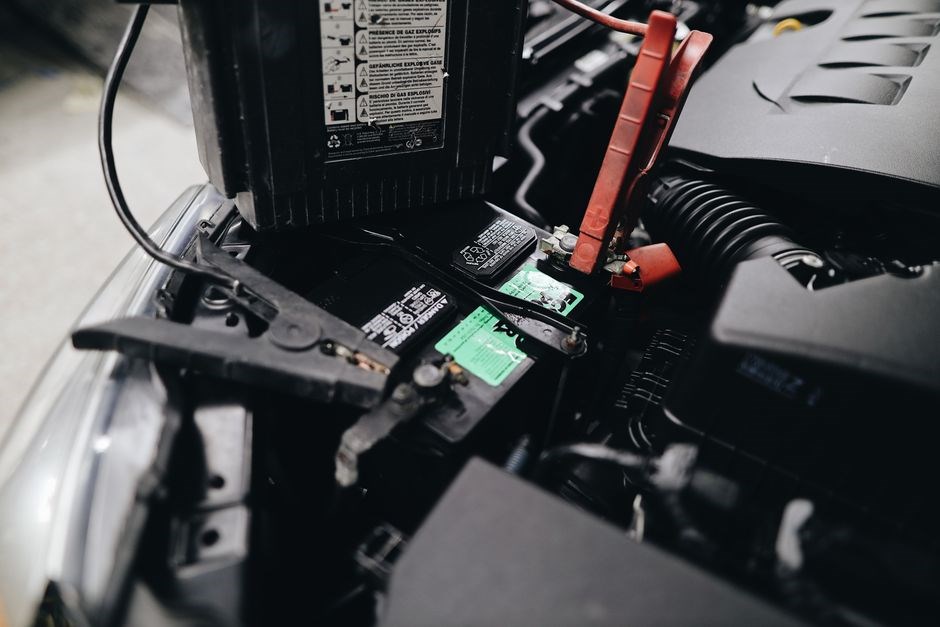
Connect the charger to a 120 V AC outlet‚ then attach the clamps to battery terminals—positive to red‚ negative to black. Press the start button; the LED will illuminate‚ indicating charging. Monitor the status lights; the charger will auto‑stop when the battery is full
Connection Setup
Before the charger can begin its operation‚ the user must establish a safe and correct electrical connection. First‚ locate a grounded 120 V AC outlet that is free of other high‑current devices. Inspect the charger’s power cord for cuts or fraying; if damage is found‚ replace the unit before use. Plug the cord into the outlet and turn on the charger’s power switch. Next‚ attach the battery clamps. Connect the red clamp to the battery’s positive (+) terminal and the black clamp to the negative (–) terminal. Tighten the clamps firmly but avoid over‑torquing‚ which can damage the battery posts. Verify polarity; the charger’s reverse‑hook protection will flash the LED and shut down if the clamps are reversed‚ preventing damage; After securing the clamps‚ check that no conductive objects touch the battery terminals or the charger’s metal case. Position the charger on a stable‚ dry surface‚ away from flammable materials‚ and keep ventilation openings clear of dust or debris to avoid overheating. Finally‚ confirm that the charger’s LED is steady. Once all steps are complete‚ the charger is ready to start the automatic charging cycle‚ where the microprocessor will adjust current to maintain battery health and safety. All safety checks are fully satisfied and charger ready.

Charging Modes and Indicators
The Schumacher SC1339 operates in a fully automatic‚ multi‑stage charging cycle that is microprocessor‑controlled to optimize battery health. When the charger is powered on‚ the microprocessor first enters a bulk mode‚ delivering the maximum 10 A current until the battery voltage rises to approximately 13.8 V. Once the bulk phase is complete‚ the charger transitions to an absorption mode‚ maintaining a constant voltage while the current tapers to about 2 A‚ ensuring the battery is fully charged without over‑charging. After the absorption phase‚ the charger enters a float mode‚ supplying a low‚ steady 2 A current to keep the battery at full capacity while preventing sulfation. Throughout this process‚ the charger’s LED panel provides real‑time status: a green LED indicates normal operation‚ a flashing yellow LED signals the absorption phase‚ and a steady blue LED confirms the float stage. A dedicated start/stop button allows the user to pause or resume charging at any time. If the battery is fully charged‚ the charger automatically shuts off and the green LED remains lit‚ ready for the next cycle. The built‑in reverse‑hook protection will cause a red LED to flash and the charger to stop if the clamps are connected incorrectly‚ preventing damage to both the charger and the battery. The LED status panel also includes a small numeric display that shows the current battery voltage and the remaining charge time‚ allowing the user to monitor progress without interrupting the cycle. When the charger detects a fault condition such as an over‑voltage or short circuit‚ the LED turns red and the charger shuts down immediately‚ protecting both the battery and the charger. Because the charger is designed for both standard and AGM batteries‚ the microprocessor automatically adjusts the absorption voltage to suit the battery type‚ ensuring optimal charging without risking over‑voltage damage. The start/stop button can be used to temporarily pause the charging process‚ which is useful when the battery is being used for a short period of time and the user wants to conserve power.
Safety Features
UL/ULC certified‚ the charger has reverse‑hook protection that disables operation and flashes red LED if clamps are reversed. A micro‑controlled circuit limits over‑current and a built‑in fuse protects against short circuits. The metal case guards against accidental contact
Electrical Safety Precautions
Before connecting the charger‚ verify that the AC input is 120 V and that the device is properly grounded. The SC1339 is UL and ULC certified‚ ensuring compliance with North American safety standards. The charger incorporates a reverse‑hook protection circuit; if the battery clamps are reversed‚ the unit will not engage and a red LED will flash to alert the user. This feature prevents potential damage to the battery now! The internal microprocessor monitors input voltage and current‚ automatically adjusting the charging current to avoid over‑charging and overheating. A built‑in fuse protects against short‑circuit conditions‚ and the metal case shields the circuitry from accidental contact. Always use the supplied power cord and ensure that the outlet is free of moisture or debris. Do not expose the charger to extreme temperatures or direct sunlight‚ as this may affect performance and safety. When the charging process is complete‚ the charger will automatically shut off‚ reducing the risk of over‑discharge. For best safety‚ keep the charger in a dry‚ well‑ventilated area and avoid placing heavy objects on it. If you notice any unusual odors‚ sparks‚ or excessive heat‚ disconnect the charger immediately and consult the service manual.
Keep the charger on a stable‚ non‑metal surface to prevent tipping. If a fault occurs‚ the internal fuse will trip‚ cutting power. Observe abnormal voltage spikes and unplug the unit immediately. Store the charger dry and dust‑free.
Reverse Hook-up Protection
The Schumacher SC1339 is equipped with a built‑in reverse‑hook protection circuit that prevents the charger from operating if the battery clamps are connected incorrectly. When the user mistakenly attaches the positive clamp to the negative terminal or vice versa‚ the internal microprocessor immediately disables power delivery and activates a red LED indicator that flashes continuously. This visual warning alerts the operator to the error before any damage can occur. The protection mechanism is designed to shut down the charging current within milliseconds‚ thereby eliminating the risk of short‑circuiting the battery or the charger’s internal circuitry. The SC1339’s reverse‑hook protection is part of its safety certification‚ meeting UL and ULC standards for consumer battery chargers. Users should always double‑check the polarity of the battery terminals before connecting the charger. If the red LED remains on after a brief period‚ disconnect the charger from the AC source‚ correct the polarity‚ and reconnect. The protection circuit is fully automatic and requires no manual intervention‚ ensuring safe operation even for novice users. This feature is valuable in automotive recreational vehicle settings where quick battery replacement is common it helps prevent battery damage potential fire hazards. By incorporating reverse‑hook protection‚ Schumacher enhances the reliability and user friendliness of the SC1339‚ making it a dependable choice for hobbyists‚ mechanics‚ and everyday vehicle owners alike.
Maintenance & Troubleshooting

Check the charger’s exterior for cracks‚ and clean the terminals with a dry cloth. Inspect the power cord for fraying; replace if damaged. Verify the LED indicator responds to power. If charging stalls‚ reset the unit by unplugging for 30 s. For persistent issues‚ consult the manual orservicecenter
Routine Maintenance Tasks
Inspect the charger’s housing for cracks or dents and clean the exterior with a dry‚ lint‑free cloth. 2. Verify the power cord and plug are intact; replace if frayed or damaged. 3. Check the clamp contacts for corrosion; gently polish with a soft brush and a mild electrolyte solution. 4. Ensure the unit remains in a well‑ventilated area; avoid stacking or covering the vents. 5. Test the LED status lights after each use to confirm proper operation. 6. Periodically disconnect the charger from the battery and store it in a dry place to prevent moisture buildup. 7. If the charger displays a fault indicator‚ consult the troubleshooting section and reset by unplugging for 30 s. 8. Keep a log of charging sessions and any anomalies to track performance over time. 9. Replace the internal fuse if it blows during operation. 10. Follow the manufacturer’s one‑year warranty terms for any required service.
Additional routine checks include inspecting the internal fuse for wear‚ cleaning the ventilation grilles with a soft brush‚ ensuring the charger is stored on a flat surface‚ and verifying that the LED status lights remain functional after each charging cycle. If the charger shows any abnormal behavior‚ consult the troubleshooting guide and reset the unit by unplugging for 30 s. Log any irregularities and report them to customer support if unresolved.
Finally‚ keep the charger’s manual and warranty card in a safe place for quick reference and future service needs. And keep it dry!!